Loading...
Serving Kingsport, TN and surrounding areas. (423) 732-8103
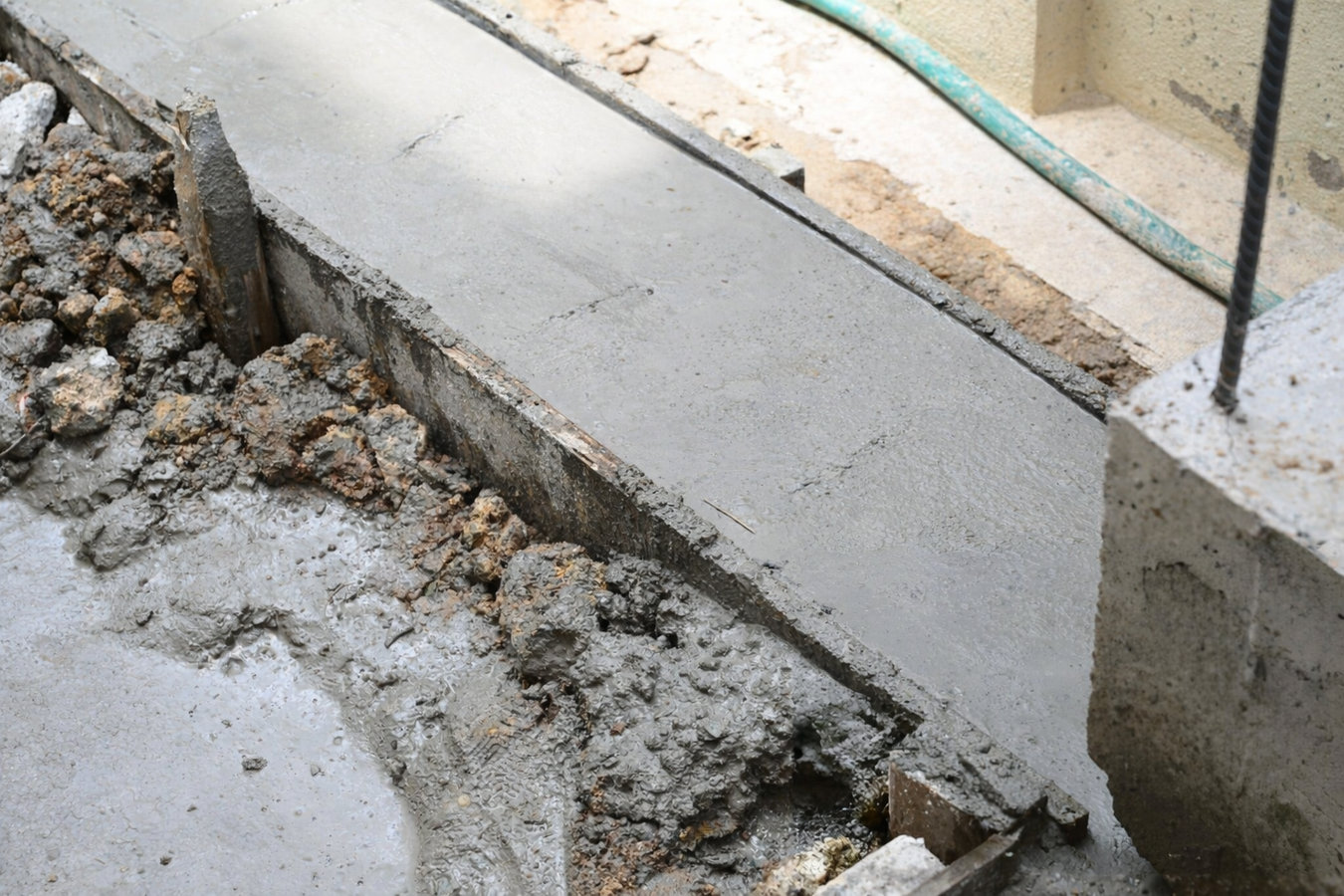
A sunken slab sends water toward your home and creates a tripping hazard. We lift it back to level in a single day - no jackhammers, no torn-up yard.
Foundation raising in Kingsport lifts sunken concrete slabs back to their original level by pumping material beneath them through small drilled holes - most jobs are finished the same day they start. Two methods are used: mudjacking, which pumps a cement-and-soil slurry, and foam injection, which expands a lightweight foam under the slab. Both eliminate the uneven gap without tearing out and replacing the concrete.
In Kingsport, clay-heavy soil and roughly 44 inches of annual rainfall are the two biggest reasons slabs settle. Rain works its way under concrete, softens the soil, and gradually washes it away - leaving a void the slab slowly drops into. Once the support is gone, the concrete above it sinks, the grade reverses, and water starts moving toward your home instead of away from it. If the problem has gone far enough that the slab is broken into pieces, a full replacement may make more sense - see our slab foundation building page for that option.
Every foundation raising job starts with a site visit. We look at the slab, the surrounding drainage, and the degree of settlement before we quote anything.
If your driveway, sidewalk, or patio has developed an edge where one section sits higher or lower than the one next to it, that is a clear sign of settling. You can feel it when you walk across it, and it often becomes a tripping hazard before homeowners recognize how significant the drop has become. In Kingsport, this is especially common along driveways that run downhill toward the street.
When the ground beneath a slab shifts, it can transfer stress to the structure above - causing door frames to rack slightly out of square. If a door that used to swing freely now drags on the floor, or a window that opened easily now sticks, it is worth having a contractor look at the nearby foundation. This is a common early warning in Kingsport's older neighborhoods, where decades of clay soil movement have had time to accumulate.
A visible gap opening between your porch slab and the house wall, or between a garage floor and the foundation wall, means the concrete is moving away from where it was placed. This gap also lets water in, which speeds up the problem. The earlier you address it, the simpler and less expensive the fix tends to be.
If standing water collects against your porch, patio, or garage slab after a rainstorm, the slab may have settled in a way that now directs water toward the house. Kingsport's wet winters and spring rains make this a particularly important signal to catch early. Water sitting against a foundation wall will keep eroding the soil beneath it, making the settling worse over time.
We use both mudjacking and foam injection depending on what your slab needs. Mudjacking pumps a dense cement-and-soil slurry through drilled holes until the slab rises back to level - it has been used for decades, holds up well, and costs less than foam. Foam injection uses a two-part polyurethane that expands rapidly under the slab, filling voids and lifting the concrete in one controlled process. Foam cures in about 15 minutes and leaves smaller patch holes, but it typically costs more. We look at your situation and tell you which method fits it before you commit to anything.
For homes where the slab has settled so badly that raising is not the right answer, we also offer complete slab foundation building - starting fresh with a properly prepared base. And when a raised slab exposes the need for new concrete cutting to remove a damaged section before the repair, we handle that too.
Best suited for homeowners who want a proven, lower-cost method and do not need the slab accessible within the same afternoon.
A good fit for homeowners who want the fastest cure time, the smallest patch holes, or who need to restore access to the area quickly.
Recommended for any property where poor grading or downspout placement caused the settling - addressing the source prevents the slab from sinking again.
For homeowners who are not sure whether raising or replacement makes more sense - we look at the whole picture and give you an honest recommendation.
Kingsport's combination of clay-heavy soil and roughly 44 inches of annual rainfall makes foundation settling one of the most common concrete problems in this area. The clay under many Kingsport lots swells when it absorbs rain and shrinks when it dries out - that repeated movement is one of the leading causes of slab settlement across the Ridge and Valley region of East Tennessee. A significant share of Kingsport's housing stock was built between the 1940s and 1970s, meaning many slabs have had decades of this cycle working against them. Homeowners in neighborhoods like Kingsport and nearby Johnson City deal with these same local soil conditions, and the right contractor knows how to address the cause, not just the symptom.
Kingsport's hilly terrain also means many driveways and patios were originally poured on sloped ground - and when soil shifts under a sloped slab, the grade reversal happens faster than it would on flat land. Tennessee also requires contractors performing structural work above certain dollar amounts to hold a current state license, which you can verify for free through the state's online tool before anyone starts work on your property. A contractor who knows Kingsport will be familiar with local permit requirements and will tell you upfront whether your job needs one.
When you reach out, we ask a few basic questions - how large the affected area is, roughly how much the slab has dropped, and whether there are visible cracks. You do not need exact measurements. We reply within one business day and schedule a free site visit from there.
We come to your property, look at the slab in person, check the surrounding drainage, and probe for voids beneath the concrete if needed. In Kingsport, we also look at how your yard drains, since the local terrain often plays a direct role in why settling happened. You receive a written estimate explaining our recommendation and why.
Before the crew arrives, move any patio furniture, potted plants, vehicles, or stored items away from the slab. You do not need to be home for the work, but many homeowners prefer to be there at the start to ask any final questions. We let you know if anything specific to your job needs attention beforehand.
The crew drills small holes, pumps material beneath the slab until it rises, then fills and patches the holes flush with the surface. Most residential Kingsport jobs finish in two to four hours. Before leaving, we walk you through the result and explain what to watch for in the weeks ahead.
Free estimate, written quote, no obligation. We reply within one business day.
(423) 732-8103Kingsport's clay-heavy soils behave differently from the sandy or loam soils found elsewhere in the state. We factor local soil behavior into every estimate and look at drainage as part of the assessment - because a lift without addressing drainage is a temporary fix at best.
We look at your slab and tell you honestly whether raising makes sense or whether a different solution - like a partial replacement - would serve you better. We do not recommend the more expensive option without explaining exactly why. That approach has kept clients coming back and referring neighbors.
Tennessee requires licensing for structural concrete work above certain dollar thresholds. You can verify any contractor's active license status for free at verify.tn.gov before signing anything. We encourage every homeowner to take that step - it takes about two minutes and protects you significantly. Tennessee license verification
We have lifted settled slabs in Kingsport's mid-century neighborhoods and newer subdivisions alike. Homeowners across Sullivan County call us because they want a crew that knows the local terrain and shows up with the right equipment for the job - not a company that treats every slab like it sits on flat, stable ground.
Foundation raising done correctly addresses the slab and the conditions that caused it to settle in the first place. When both pieces are right, the results hold up through Kingsport's wet seasons instead of requiring another call a year later.
When a section of slab is too damaged to raise, clean cutting is the first step toward a lasting repair.
Learn moreFor slabs that are beyond raising, we pour a new slab from a properly prepared base up.
Learn moreKingsport's wet spring and winter months make settled slabs worse - getting the lift done now costs less than waiting another season.